







































The UAE’s Net Zero Strategy 2050: Launching a Successful Green Startup

The UAE aims to reduce its greenhouse gas emissions to net zero by 2050, becoming the first country in the MENA region to set this ambitious goal. This is not only a major environmental commitment, but also serves as an economic master plan.
According to government estimates, achieving net zero emissions could create around 200,000 new jobs, increase GDP by around 3% and improve the country’s competitiveness in green exports. The strategy highlights six key sectors – energy, industry, transport, buildings, waste management and agriculture – as priority areas for carbon reduction.
In addition to reducing emissions, the UAE is fostering an innovation ecosystem supported by research and development, workforce training and climate finance mechanisms.
This environment has already given rise to a thriving number of green startups, from solar innovators to waste-to-energy pioneers.
Many of them are benefiting from official incentive programs, pilot projects and grant programs. For entrepreneurs, this transformation offers more than just idealistic appeal – it presents a huge business opportunity.
Sectors With High Potential For Green Startups
Renewable Energy
Where The United Arab Emirates Stands
The UAE aims to generate at least 30% of its electricity from clean energy sources by 2030, and has a long-term goal of a carbon-neutral grid by 2050.
More than $160 billion is earmarked for renewable energy, mainly solar, wind, nuclear and green hydrogen. Solar capacity alone is expected to increase from 2.4 GW in 2020 to 14 GW by 2030. That’s why the UAE is ready to start your green business.
Facilities
- Solar panel installation and leasing: rooftop solar panels, electricity contracts and maintenance services.
- Energy storage: battery technology, grid balancing software and scalable storage services.
- Green hydrogen: electrolysis technology, hydrogen mobility and export logistics.
- Energy efficiency solutions: retrofitting, smart sensors, AI-powered energy management.
Sustainable Transport
Where The United Arab Emirates Stands
Reducing carbon emissions from transport is a key goal. By 2050, 50% of all vehicles should be electric or hybrid, and public transport should be fully electrified.
The nationwide charging network is expanding rapidly, and cities such as Dubai and Abu Dhabi offer benefits for electric cars, such as free parking and lower registration fees.
Facilities
- Electric vehicle charging infrastructure: hardware production, installation and load management software.
- Electromobility solutions: electric scooters, electric cargo bikes and autonomous taxi platforms.
- Fleet electrification: Conversion of corporate, public and delivery fleets to electric or hydrogen vehicles.
- Sustainable air traffic and logistics: sustainable aviation fuels, drone freight and AI-driven fleet optimization.
Green Construction
Where The United Arab Emirates Stands
Stricter building codes and renovation targets are reducing emissions from this energy-intensive sector. Dubai plans to renovate 30,000 buildings by 2030, and major construction projects such as Expo City Dubai and Masdar City must meet strict sustainability standards such as LEED or Estidama.
Facilities
- Environmentally friendly building materials: low-carbon concrete, recycled construction plastics and bio-based materials.
- Energy-efficient technology: IoT systems for monitoring heating, ventilation and air conditioning, lighting and resource use.
- Renovation services: energy audits, insulation improvements and solar integration into existing buildings.
- Modular and 3D-printed construction: advanced methods to reduce waste, labor costs and carbon footprint.
Sustainable Agriculture
Where The United Arab Emirates Stands
Desert conditions make farming challenging, but strategic investments in agritech have revolutionized agriculture, enabling the cultivation of local produce in carefully controlled environments.
Agritech startups benefit from research and development grants, relaxed rules for importing equipment, and water subsidies that encourage highly efficient practices.
Facilities
- Hydroponics, aquaponics , vertical farming: systems that reduce water consumption by up to 90%.
- Precision agriculture: Sensors, drones and AI-powered software to optimize water, fertilizer and harvests.
- Alternative proteins: lab-grown meat, plant-based substitutes, and insect farming for animal feed.
- Food waste solutions: composting, upcycling, and AI that tracks spoilage in the supply chain.
Waste Management And Circular Economy
Where The United Arab Emirates Stands
New laws will eliminate single-use plastics and, in some emirates, increase recycling targets to as much as 75 percent by 2025. Waste-to-energy plants are being built, and Extended Producer Responsibility (EPR) regulations require manufacturers to dispose of electronics and other goods at the end of their life cycle.
Facilities
- Recycling technologies: sorting automation, AI-based waste classification and upcycling of products.
- Solutions for organic waste: composting, biofuels from cooking oil and insect-based animal feed.
- Refill and reuse models: biodegradable packaging, reusable containers and circular supply chains.
- Waste-to-energy projects: Conversion of landfill waste into electricity or biofuels.
Water Management
Where The United Arab Emirates Stands
Efficient desalination and water conservation are crucial in dry climates. The transition from traditional thermal desalination to solar-powered reverse osmosis is already drastically reducing energy consumption. Water recycling, smart meters and leak detection are also rapidly developing.
Facilities
- Solar desalination: off-grid water production methods that reduce carbon dioxide emissions.
- Atmospheric water production: Devices that absorb moisture from the environment.
- Wastewater treatment and reuse: techniques for industrial wastewater, greywater recycling and efficient irrigation.
- Innovations in cloud seeding: drone or chemical-based methods to increase rainfall, supported by funding from the United Arab Emirates.
Steps To Start A Green Startup In The UAE
Conduct A Market Study
- Research demand: Identify your niche: solar panel leasing, electric car charging, vertical farming, or something else.
- Map regulations: Please contact relevant authorities (e.g. Ministry of Energy and Infrastructure, municipality) regarding permit requirements.
- Find local partners: From asset owners to corporate customers, building partnerships can facilitate market entry.
Create A Solid Business Plan
- Financial modeling: Demonstrate profitability and return on investment, especially when applying for green financing or grants.
- Compliance plan: Describe in detail how you will comply with environmental regulations and building codes.
- Technical feasibility: Ensure that your technology can withstand local climatic conditions (e.g. extreme heat, sand, humidity).
Get The Right License
- Free zone versus mainland: Decide whether you want 100% ownership (free zone) or full onshore operations (mainland).
- Activities and permits: Renewable energy may require specific permits from the energy authority (e.g. Dubai Electricity and Water Authority). Agricultural technology may require permits from the Ministry of Climate Change and Environment.
- Timeframe: Registering a company can typically take between one and four weeks, depending on the complexity. Expert help from company formation consultants (like us here at Virtuzone ) often speeds up the process.
Secure Facilities And Suppliers
- Location: Choose a free zone that suits your industry. For example, Masdar City is ideal for renewable energy and clean technology .
- Supplier Verification: Find reliable, certified suppliers of equipment (solar panels, electric vehicle chargers, hydroponic systems).
- Logistics: Plan the import of raw materials or equipment taking into account customs duties and import fees.
Assemble Your Team
- Technical expertise: engineers, software developers and experts in the fields of energy, waste or water.
- Local knowledge: Hire UAE nationals or long-term residents who are familiar with the rules, language, and culture.
- Training : Look for government programs that offer training for employees in energy, sustainability, and technology.
Launch, Iterate And Scale
- Pilot projects: Bring in early adopters, often governments or large companies that strive for sustainability goals.
- Funding Rounds: Prepare for seed or Series A investments once your pilot is successful. Green startups that solve real, urgent problems typically find a ready market in the UAE.
- Continuous compliance: Be flexible to policy changes as new regulations or incentives arise.
Licensing, Compliance And Schedules
Business Formation (1–4 Weeks)
- Reserve your trade name.
- Submit the registration documents to the relevant authority in the free zone or on the mainland.
- Obtain preliminary approval for the activities you have chosen.
Industry-Specific Approvals (2–6 Weeks)
- Energy companies: Certification by bodies such as DEWA or SEWA, as well as feasibility studies for grid connection if you are installing solar modules.
- Agritech : Permits for the import of seeds, fertilizers or equipment issued by the Ministry of Climate Change and Environment.
- Waste Management: Waste management through municipal waste management services or UAE Independent Climate Accelerators if you are participating in an incubator program.
Final Licensing (1–2 Weeks)
- Once the approvals for the different sectors have been granted, a final marketing authorisation must be obtained .
- Register for VAT if applicable (thresholds vary).
- Apply for a work visa and work permit.
Start Of Operation (Immediately Up To 3 Months)
- Establish offices, facilities or agricultural land.
- Provision of raw materials and equipment.
- Start the pilot project with your first customers.
Financing And Financial Incentives
Venture capital is a crucial factor in the UAE’s green startup ecosystem. A range of specialized funding programs offer entrepreneurs extensive growth opportunities.
Government initiatives, private grant programs, and public-private partnerships all contribute to fostering climate innovation, offering everything from seed funding to multi-million dollar venture capital.
Below are important programs that can help green startups get the resources they need.
Hub71+ Climatetech (Abu Dhabi)
Hub71+ ClimateTech in Abu Dhabi offers up to $ 200,000 in direct funding for climate-related businesses, as well as material support such as office space and mentorship.
Focusing on breakthroughs in clean energy, electromobility, sustainable agriculture and other climate-neutral technologies, Hub71+ ClimateTech connects startups with investors and corporate partners, serving as an ideal platform for climate-focused companies looking to expand in the UAE and beyond.
UICCA (UAE INDEPENDENT CLIMATE CHANGE ACCELERATORS) LAUNCHES CIRCULAR ECONOMY PLATFORM
The UICCA initiative targets startups focused on recycling, waste management and the circular economy. Through mentorship, pilot projects with authorities and investor presentations, Launchpad supports young companies in further developing and effectively commercializing their concepts.
The program also promotes collaboration between participants and encourages them to form alliances to increase their contribution to the UAE’s waste management and circular economy goals.
The Catalyst (Masdar City)
A cleantech accelerator in the Middle East, offers aspiring entrepreneurs seed capital, office space and structured mentorship. Based in Masdar City – a hub for sustainable innovation – the program has supported several projects focused on renewable energy, energy efficiency and smart city solutions.
For startups looking to gain a foothold in the region’s rapidly growing cleantech market, The Catalyst offers not only financial support but also valuable industry contacts.
Mohammed Bin Rashid Innovation Fund (MBRIF)
While not exclusively green, MBRIF has earned a reputation for supporting sustainability-focused projects with subsidized loans and an accelerator program.
It is open to concepts from across sectors, offering innovators the opportunity to improve their products or services and tap into the UAE’s vast market. By emphasizing innovation and economic diversification, MBRIF aligns with the country’s overall ambitions for net-zero emissions and growth.
Khalifa Fund And Dubai SME Fund
Capacity Building Programs . Green initiatives are their top priority. Whether developing biodegradable packaging, efficient manufacturing processes, or other environmentally friendly projects, both the Khalifa Fund and the Dubai SME Fund offer tailored support to help local entrepreneurs succeed in an increasingly sustainable market.
Market Outlook And Competitive Landscape
The future for green entrepreneurs in the UAE looks remarkably bright thanks to strong government commitments, an engaged private sector, and growing public awareness of climate issues.
Massive investments in renewable energy sources are expected to increase solar capacity to at least 14 GW by 2030, while electric vehicle penetration is expected to increase by more than 30% annually.
Green building and renovation regulations are also becoming stricter, thanks in part to a multi-billion dollar commitment from the central bank to finance sustainable construction.
The agricultural technology sector is also attracting hundreds of millions of dollars in venture capital as the UAE strengthens local food production.
The ban on single-use plastics and ambitious landfill diversion targets are driving progress in waste management and the circular economy, enabling entrepreneurs to embrace cutting-edge technologies to meet growing demand.
Industry-Specific Growth Forecasts
Renewable energy is expected to grow rapidly, not only through solar power, but also through wind power and green hydrogen initiatives.
The rapid growth of electric mobility is driven by the government’s ongoing expansion of charging stations and efforts to electrify bus fleets.
In the construction sector, energy-efficient renovations and the use of modern materials are likely to remain high priorities given the increasing availability of sustainable financing.
Meanwhile, agricultural technology is benefiting from increasing consumer demand for locally grown produce, and the waste management sector is poised for innovation as authorities tighten regulations on the use of plastics and the landfilling of waste products.
Competitive Analysis: Where Are The Gaps?
Despite strong growth and investment, there are still untapped niches. Medium-sized PV projects for SMEs receive less attention than large PV parks, paving the way for specialized installers and service providers.
In the transportation sector, the focus is still primarily on hardware, creating opportunities for software-based charging solutions for electric vehicles that optimize charging schedules or manage fleet analytics.
Additionally, with the increasing number of retail and hospitality companies looking to transition to single-use plastics, there is a clear need for suppliers of more sustainable packaging.
Additionally , agricultural technology could benefit from further research into salt-tolerant crops and advanced biotechnology. Given the stricter regulations on green building, demand for cutting-edge low-carbon building materials is increasing, but it remains relatively limited in the UAE market.
Future Trends And Forecasts
Several trends promise to shape the coming decade of green entrepreneurship in the UAE. AI-driven energy optimization will transform how electricity grids manage fluctuating supply and demand, especially in light of growing solar and wind capacity.
Hydrogen technology, already the subject of a national roadmap, is expected to open up new export markets for the UAE.
Advanced biofuels, especially for aviation and freight, will grow in popularity as airlines and logistics providers seek cleaner alternatives.
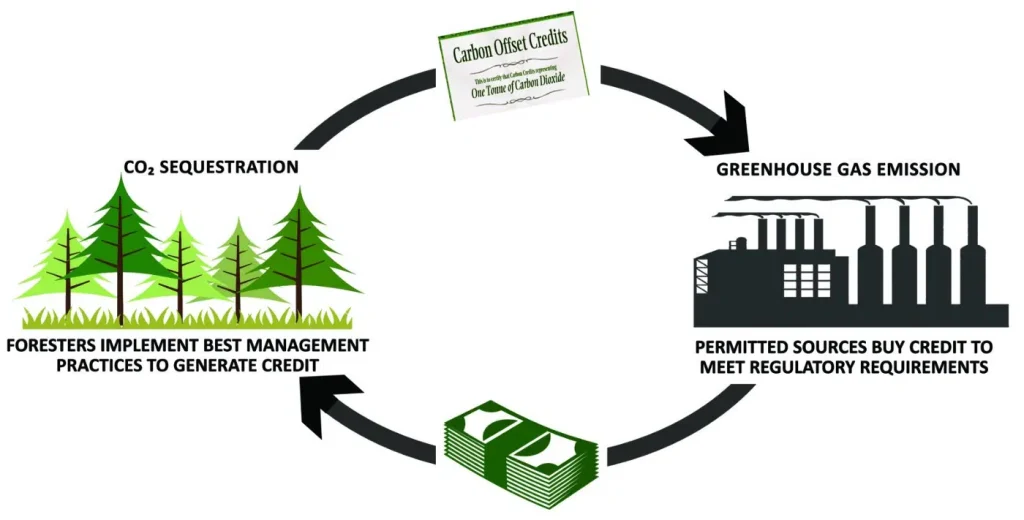
At the same time, circular supply chains will evolve beyond recycling to encompass the entire product lifecycle – from design to reuse. Carbon offsetting and trading are also likely to gain more importance in light of stricter emissions targets across all sectors.
For startups with groundbreaking solutions, these new trends provide fertile ground to make a significant difference while capitalizing on the country’s unwavering commitment to sustainability.
Final Thoughts For Aspiring Green Entrepreneurs
The UAE’s goal to reduce carbon emissions is more than just an ambitious promise – it is a national transformation that offers lucrative opportunities for anyone with sustainable, scalable ideas.
Green startups in the energy, mobility, construction, agriculture, waste and water sectors can count on a rapidly growing market, government support and a consumer base that is increasingly aware of their environmental impact.
Are you ready to join this wave of transformation? Now is the time to act. Tread carefully, rely on competent partners for permitting and regulatory compliance, and take advantage of the various financing options.
Thanks to high demand, generous government incentives, and an innovation-friendly culture, the UAE is ready to lead your green business to success – and work with you to create a sustainable future for all.

