






















































Best Machine Tools for Small and Industrial Workshops: A Practical Buying Guide


Selecting the right machine tools is one of the most important decisions for workshop owners. Whether you operate a compact workshop or manage a full-scale industrial facility, the quality of your machines directly affects productivity, accuracy, and long-term profitability. Modern workshops require solutions that combine precision engineering, durability, and operational efficiency.
This guide is designed to help buyers understand how to choose machine tools that suit both small workshops and industrial environments. It focuses on practical buying considerations, performance expectations, and cost efficiency for workshops operating in the UK, USA, and international markets.
Why Machine Tool Quality Matters
Machine tools are long-term assets. Low-quality equipment often leads to frequent downtime, inconsistent output, and higher maintenance costs. High-quality industrial machine tools offer stable performance, improved safety, and consistent results over extended production cycles.
Key advantages of investing in reliable machine tools include:
-
Higher machining accuracy
-
Reduced material waste
-
Longer equipment lifespan
-
Better production planning
For both small and industrial workshops, machine quality plays a critical role in meeting customer expectations and delivery timelines.
Understanding Small Workshop Requirements
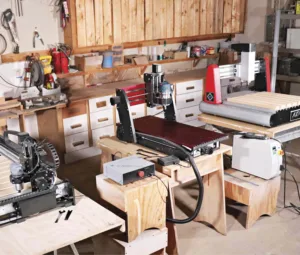
Small workshops usually operate with limited space and budget. Flexibility is more important than high-volume output. Machine tools for small workshops should support multiple tasks without requiring complex setups or excessive power consumption.
Common needs include:
-
Compact machine footprint
-
Easy operation and setup
-
Cost-effective maintenance
-
Versatility for custom or low-volume jobs
Small workshops benefit most from machines that balance precision with simplicity.
Industrial Workshop Requirements Explained
Industrial workshops focus on scale, automation, and production speed. These facilities require machines that can operate continuously with minimal downtime.
Industrial workshop priorities typically include:
-
High-output machining capacity
-
Automation and CNC compatibility
-
Heavy-duty construction
-
Consistent performance under load
Industrial environments demand machines that maintain accuracy even during long production runs.
Key Factors to Consider Before Buying
Before purchasing machine tools, workshop owners should evaluate several important factors:
Application Type
Different machines are designed for specific tasks such as milling, profiling, or high-speed production. Matching the machine to the application ensures better results.
Precision and Tolerance
Workshops producing high-accuracy components must prioritize machines capable of tight tolerances and stable output.
Space and Power Availability
Small workshops should consider compact designs, while industrial facilities must ensure sufficient electrical and infrastructure support.
Maintenance and Support
Reliable after-sales support and spare parts availability reduce downtime and protect long-term investment.
Machine Tools for Small Workshops
For small workshops, the ideal machine tool offers flexibility and efficiency without unnecessary complexity. These machines are often used for:
-
Prototyping
-
Custom machining
-
Repair and modification work
Benefits include:
-
Lower initial investment
-
Reduced operating costs
-
Faster setup times
Choosing the right machine allows small workshops to grow without overextending budgets.
Machine Tools for Industrial Workshops
Industrial machine tools are built for performance and endurance. They are commonly used in automotive, aerospace, and large-scale manufacturing industries.
Key benefits include:
-
High-speed production
-
Automation support
-
Consistent output quality
-
Lower cost per unit at scale
These machines are essential for businesses operating under tight deadlines and high-volume demand.
Comparing Small and Industrial Workshop Needs
| Aspect | Small Workshops | Industrial Workshops |
|---|---|---|
| Production Volume | Low to Medium | High |
| Automation | Limited | Advanced |
| Space Requirement | Compact | Large |
| Investment Level | Lower | Higher |
Understanding these differences helps buyers choose equipment that aligns with their operational goals.
Energy Efficiency and Operating Costs
Energy efficiency directly impacts operating expenses. Modern machine tools are designed to optimize power usage while maintaining performance.
Efficient machines help reduce:
-
Electricity costs
-
Heat generation
-
Wear on mechanical components
Over time, energy-efficient equipment offers better return on investment for both small and industrial workshops.
Maintenance and Long-Term Reliability
Regular maintenance ensures consistent performance and extends machine lifespan. Workshops should choose machines that are easy to service and supported by reliable spare parts networks.
Advantages of good maintenance planning include:
-
Reduced unexpected downtime
-
Improved safety
-
Stable machining accuracy
Reliable machines allow workshops to focus on production rather than repairs.
Pricing and Value Considerations
Machine tool pricing varies based on size, capability, and automation level. While entry-level machines suit small workshops, industrial systems require higher investment but deliver greater productivity.
Buyers should evaluate total cost of ownership, not just purchase price. This includes energy usage, maintenance costs, and expected machine lifespan.
Where to Buy Machine Tools Safely
Workshops should purchase machine tools from trusted suppliers or established industrial platforms. Reliable sellers provide:
-
Accurate product information
-
Technical guidance
-
Installation and after-sales support
Choosing the right supplier is just as important as choosing the right machine.
Final Thoughts
Selecting the best machine tools depends on understanding workshop size, production needs, and long-term goals. Small workshops benefit from flexible, cost-efficient machines, while industrial workshops require high-performance systems built for scale.
By carefully evaluating requirements and investing in quality equipment, workshops can improve productivity, reduce costs, and stay competitive in evolving manufacturing markets.
FAQs
-
Are machine tools suitable for both small and industrial workshops?
Yes, different machine configurations are designed to meet the needs of both small and large-scale operations. -
What is the most important factor when choosing machine tools?
Precision, reliability, and suitability for your production requirements are key factors. -
Do industrial machine tools consume more energy?
Industrial machines use more power but are optimized for efficiency at high production volumes. -
How long do quality machine tools last?
With proper maintenance, high-quality machine tools can operate reliably for many years. -
Are compact machines accurate enough for professional use?
Yes, modern compact machines deliver excellent precision for small workshop applications. -
Should small workshops invest in automation?
Partial automation can improve efficiency, but full automation is usually more suitable for industrial setups. -
How can workshops reduce machine tool operating costs?
Choosing energy-efficient machines and maintaining them regularly helps lower long-term costs.