



















































Interventional Radiology in Pakistan: Minimally Invasive Treatments Without Surgery

Healthcare in Pakistan is evolving rapidly, and one of the most significant advancements is the rise of Interventional Radiology (IR). This modern medical specialty offers non-surgical, image-guided treatments for a wide range of conditions—helping patients avoid major operations, long hospital stays, and extended recovery times.
If you’re exploring safer and faster alternatives to surgery, this comprehensive guide will help you understand interventional radiology in Pakistan, the treatments available, benefits, costs, and how to choose the right clinic.
What is Interventional Radiology?
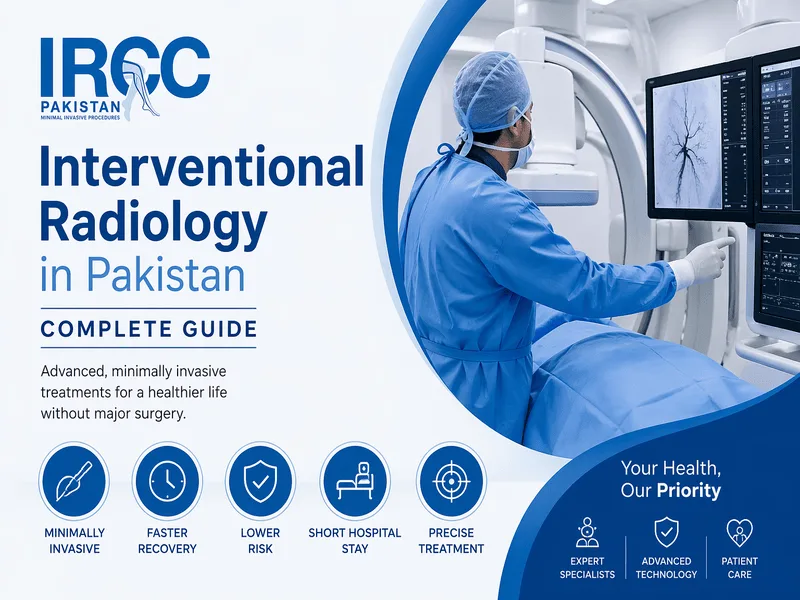
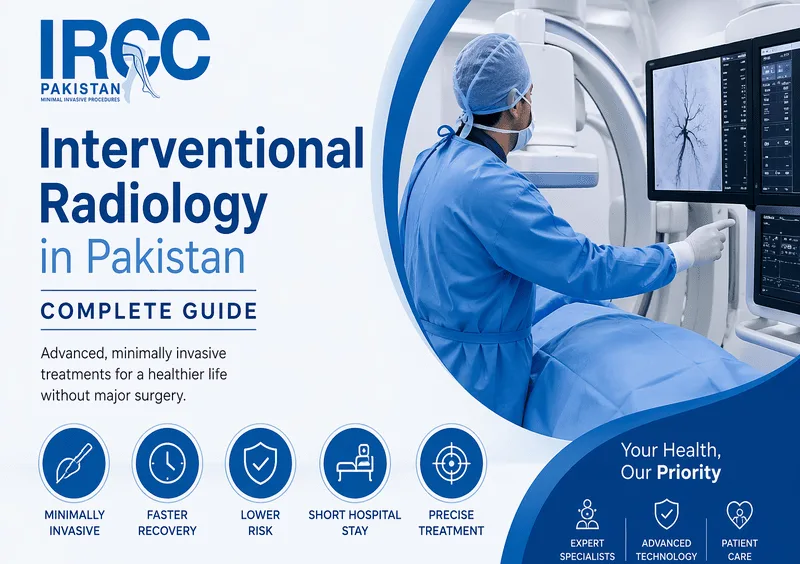
Interventional radiology is a specialized branch of medicine where procedures are performed using real-time imaging guidance, such as X-rays, ultrasound, CT scans, or MRI.
An Interventional Radiologist uses tiny instruments like catheters and needles to treat diseases from inside the body without open surgery.
How Does It Work?
Instead of large incisions, IR procedures typically involve:
- A small puncture (often just a few millimeters)
- Image-guided navigation to the affected area
- Targeted treatment (blocking blood flow, delivering medication, or repairing vessels)
This precision makes IR safer, faster, and more effective for many conditions.
Benefits of Interventional Radiology
Interventional radiology is gaining popularity in cities like Karachi, Lahore, and Islamabad for good reason.
Key Advantages:
Minimally Invasive
No large cuts or stitches just a small entry point.
Faster Recovery
Most patients return to normal life within days, not weeks.
Lower Risk
Reduced chances of infection, bleeding, and complications.
Less Pain
Procedures are often done under local anesthesia or mild sedation.
Short Hospital Stay
Many treatments are performed as day-care procedures.
Common Interventional Radiology Treatments in Pakistan
Interventional radiology covers a wide range of procedures. Here are some of the most commonly performed treatments in Pakistan:
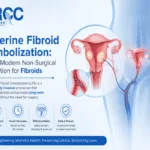
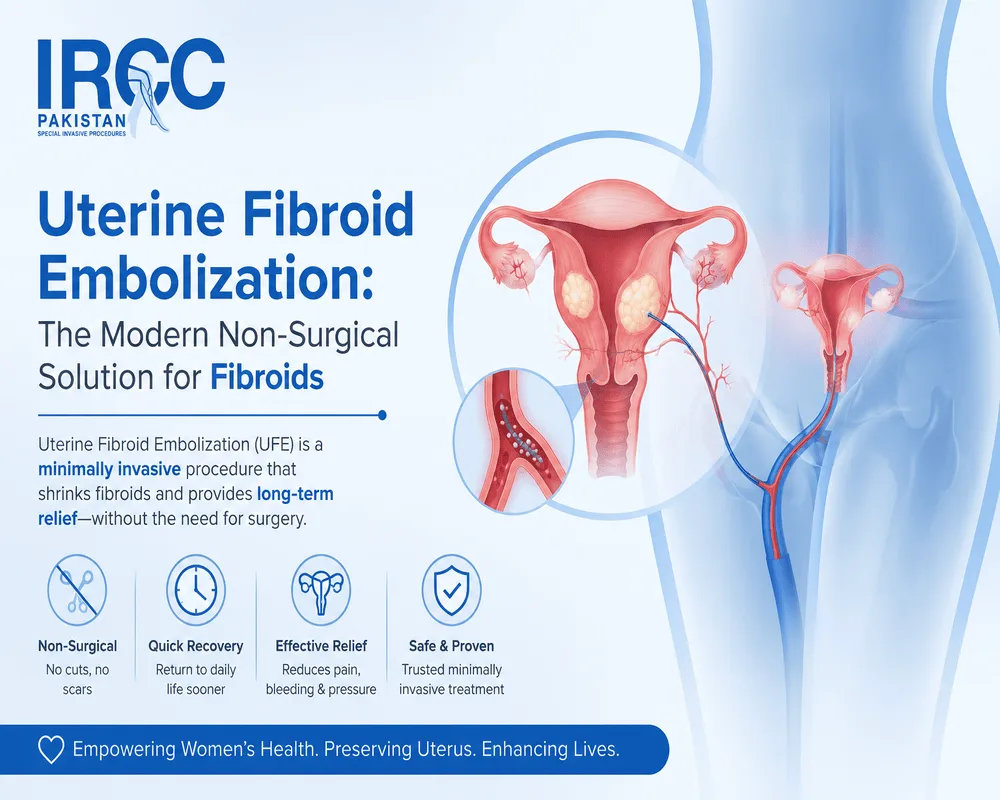
1. Uterine Fibroid Embolization (UFE)
Uterine Fibroid Embolization is a non-surgical treatment for Uterine Fibroids.
- Blocks blood supply to fibroids
- Shrinks them over time
- Preserves the uterus
Ideal for women seeking alternatives to hysterectomy.
2. Prostate Artery Embolization (PAE)
Prostate Artery Embolization treats Benign Prostatic Hyperplasia (enlarged prostate).
- Reduces prostate size
- Improves urinary symptoms
- No surgery or sexual side effects in most cases
3. Varicocele Embolization
Varicocele Embolization is used to treat Varicocele, a major cause of male infertility.
- Blocks abnormal veins
- Improves sperm quality
- Minimally invasive alternative to surgery
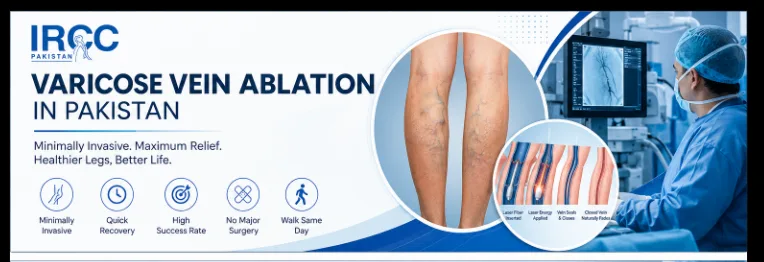
4. Varicose Vein Treatments
Endovenous Laser Treatment (EVLT) and radiofrequency ablation treat Varicose Veins.
- Closes damaged veins
- Improves circulation
- Reduces pain and swelling
5. Other Advanced Procedures
- Thyroid nodule ablation
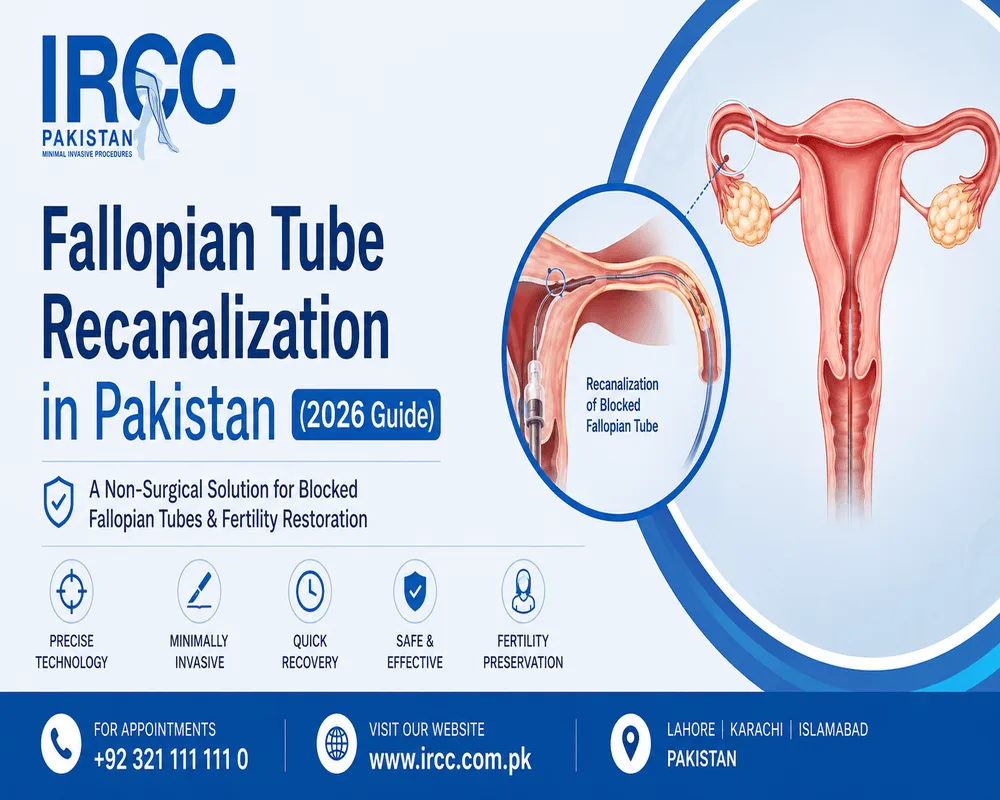
- Fallopian tube recanalization
- TIPS (for liver disease complications)
- Embolization for bleeding or tumors
Conditions Treated with Interventional Radiology
Interventional radiology is versatile and can treat many chronic and complex conditions, including:
- Uterine fibroids
- Enlarged prostate (BPH)
- Varicose veins
- Male infertility
- Liver diseases
- Chronic pelvic pain
- Certain cancers
This makes IR a multi-specialty solution for both men and women.
Interventional Radiology vs Surgery
One of the biggest reasons patients choose IR is to avoid traditional surgery.
Key Differences:
| Feature | Interventional Radiology | Surgery |
|---|---|---|
| Incisions | Tiny puncture | Large cuts |
| Recovery | Few days | Weeks |
| Hospital Stay | Same day / short | Several days |
| Risk | Lower | Higher |
| Pain | Minimal | Moderate to high |
For many conditions, IR offers similar or better outcomes with fewer risks.
Availability of Interventional Radiology in Pakistan
Interventional radiology services are now available in major cities such as:
- Karachi
- Lahore
- Islamabad
However, awareness is still growing, and not all hospitals offer advanced IR procedures.
Where Can You Find IR Services?
- Specialized IR clinics
- Tertiary care hospitals
- Private healthcare centers
Choosing a facility with experienced specialists and modern imaging technology is crucial.
Cost of Interventional Radiology in Pakistan
The cost of interventional radiology procedures varies depending on:
- Type of treatment
- Hospital or clinic
- Doctor’s expertise
- Equipment used
Estimated Cost Range:
- Basic procedures: PKR 150,000 – 300,000
- Advanced procedures: PKR 300,000 – 800,000+
While IR may seem expensive upfront, it often reduces overall costs by avoiding surgery, hospital stays, and long recovery periods.
How to Choose the Right Interventional Radiology Clinic
Not all IR services are equal. Here’s what to consider:
Doctor’s Experience
Choose a qualified and experienced Interventional Radiologist.
Technology & Equipment
Look for clinics with advanced imaging systems.
Patient Reviews
Check testimonials and success stories.
Range of Services
A comprehensive clinic can handle multiple conditions.
Location
Accessibility matters, especially for follow-ups.
Why Choose IRCC Pakistan for Interventional Radiology?
If you’re looking for reliable interventional radiology care, IRCC Pakistan stands out as a specialized center offering:
- Experienced IR specialists
- Advanced minimally invasive procedures
- Patient-focused treatment plans
- Modern equipment and facilities
IRCC focuses on treating the root cause of disease without surgery, ensuring better outcomes and faster recovery for patients across Pakistan.
Book a Consultation
If you’re dealing with a condition that may require surgery, it’s worth exploring non-surgical options first.
Interventional radiology can help you:
- Avoid major surgery
- Recover faster
- Get back to normal life quickly
Book a consultation with an interventional radiology specialist today to find out if you’re a candidate for minimally invasive treatment.
Frequently Asked Questions (FAQs)
What is interventional radiology used for?
It is used to diagnose and treat conditions such as fibroids, enlarged prostate, varicose veins, and more—without surgery.
Is interventional radiology available in Pakistan?
Yes, it is available in major cities like Karachi, Lahore, and Islamabad.
Is interventional radiology better than surgery?
For many conditions, it offers similar results with fewer risks, less pain, and faster recovery.
Is interventional radiology painful?
Most procedures are minimally painful and performed under local anesthesia or mild sedation.
How long does recovery take?
Recovery is usually quick—often within a few days.
How do I find the best interventional radiologist in Pakistan?
Look for experience, patient reviews, and clinics specializing in IR procedures.
Final Thoughts
Interventional radiology is transforming healthcare in Pakistan by offering safe, effective, and minimally invasive alternatives to surgery. As awareness grows, more patients are choosing IR for its convenience, faster recovery, and excellent outcomes.
If you or a loved one is considering treatment, exploring interventional radiology could be the best decision for your health and quality of life.