

















































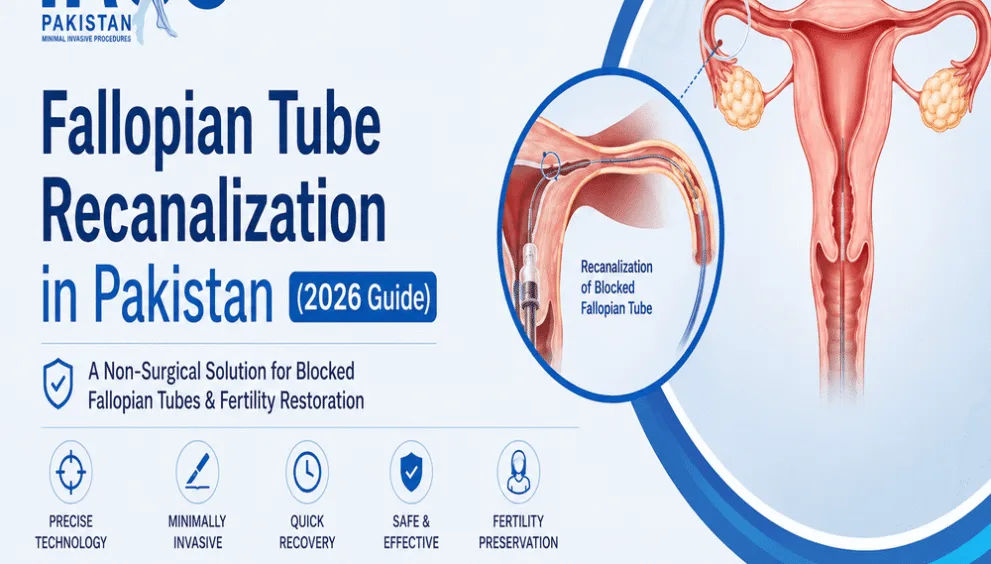
Fallopian Tube Recanalization in Pakistan: A Safe, Non-Surgical Solution for Blocked Fallopian Tubes

For many women, the journey to pregnancy can become emotionally exhausting when conception does not happen despite months or years of trying. One of the most common yet treatable causes of female infertility is a blocked fallopian tube.
The good news is that not every woman with blocked tubes requires surgery or IVF. In many cases, Fallopian Tube Recanalization (FTR) can restore fertility through a minimally invasive procedure that opens blocked tubes and improves the chances of natural pregnancy.
At IRCC Pakistan, this advanced treatment is performed by experienced interventional radiologists using image-guided techniques that avoid surgical incisions and lengthy recovery periods.
What Are Fallopian Tubes and Why Are They Important?
Fallopian tubes connect the ovaries to the uterus. Every month, an egg released from the ovary travels through the tube where fertilization typically occurs.
If one or both tubes become blocked, sperm cannot reach the egg, making natural conception difficult or impossible.
According to the American Society for Reproductive Medicine (ASRM), tubal factor infertility contributes to approximately 25-35% of female infertility cases worldwide.
When the blockage is located near the uterus (known as proximal tubal blockage), Fallopian Tube Recanalization can often successfully restore the tube’s function.
Common Symptoms of Blocked Fallopian Tubes
Many women do not experience obvious symptoms until they struggle to conceive.
Possible signs may include:
- Difficulty getting pregnant after 12 months of trying
- Pelvic pain
- Painful menstrual cycles
- Previous pelvic infections
- History of endometriosis
- Previous abdominal or pelvic surgery
- Prior ectopic pregnancy
Because symptoms are often absent, diagnostic imaging plays a crucial role in identifying the problem.
What Causes Fallopian Tube Blockage?
Several conditions can lead to tubal blockage, including:
Pelvic Inflammatory Disease (PID)
Untreated pelvic infections can cause scarring inside the tubes.
Endometriosis
Endometrial tissue growing outside the uterus may damage reproductive structures.
Previous Surgery
Abdominal or pelvic surgeries can create adhesions that affect the tubes.
Tuberculosis
Genital tuberculosis remains a recognized cause of infertility in South Asia.
Mucus Plugs and Debris
Sometimes the blockage is caused by temporary debris rather than permanent scarring, making recanalization highly effective.
What Is Fallopian Tube Recanalization (FTR)?
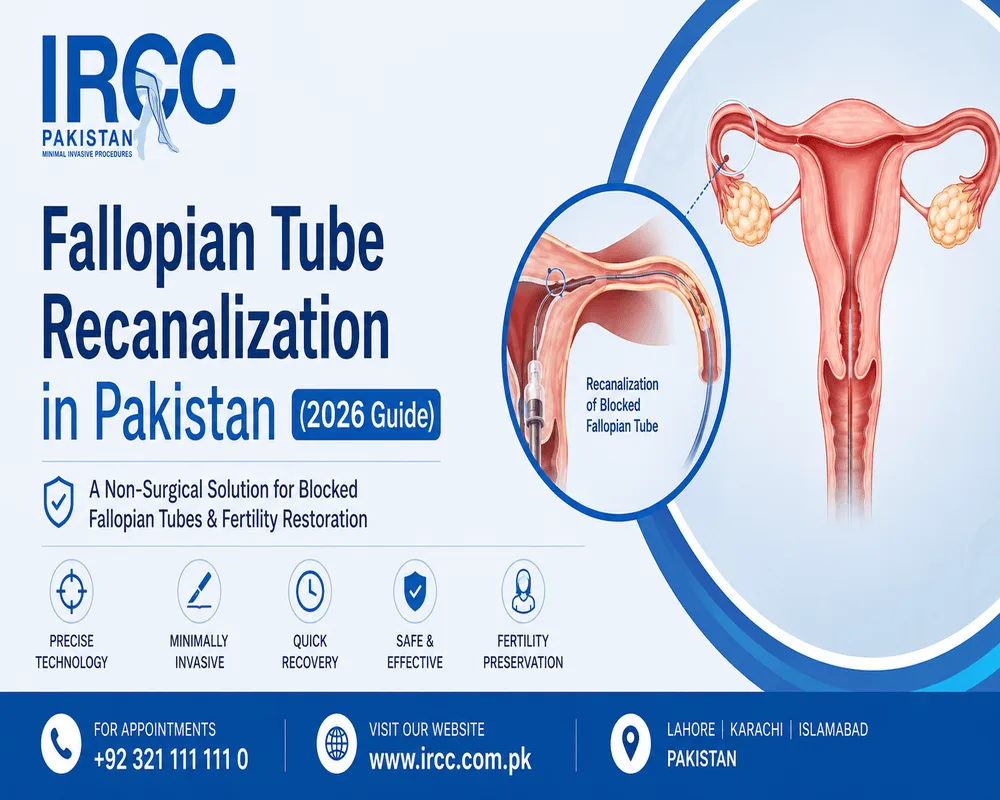
Fallopian Tube Recanalization is a minimally invasive procedure performed under X-ray guidance.
A thin catheter is inserted through the cervix into the uterus. Using specialized guidewires and imaging technology, the physician gently opens the blocked section of the tube.
No surgical cuts are required.
The procedure is typically completed within 30 to 60 minutes and most patients return home the same day.
Benefits of FTR
✅ No surgical incision
✅ Same-day discharge
✅ Minimal discomfort
✅ Quick recovery
✅ Preserves reproductive organs
✅ Potential for natural conception
✅ Lower cost compared to IVF
Who Is a Good Candidate for Fallopian Tube Recanalization?
You may be a suitable candidate if:
- HSG confirms proximal tubal blockage
- You have unexplained infertility
- You want to avoid surgery
- IVF is not your preferred first option
- Your fertility evaluation shows otherwise healthy reproductive function
A fertility assessment is essential to determine whether the procedure is appropriate.
How Effective Is Fallopian Tube Recanalization?
Clinical studies have reported high technical success rates for women with proximal tubal obstruction.
Published medical literature shows:
- Technical success rates between 70% and 100%
- Pregnancy rates ranging from 20% to 60%, depending on age and fertility factors
- Better outcomes in younger women with isolated tubal blockage
Success depends on several factors, including age, overall fertility health, duration of infertility, and the location of the blockage.
Real Patient Case: Pregnancy After Fallopian Tube Recanalization
A 31-year-old married woman visited IRCC Pakistan after struggling with infertility for nearly three years.
Her Challenge
- Unable to conceive naturally
- Previous HSG showed blockage in the right fallopian tube
- Considering IVF due to failed fertility treatments
Evaluation
A detailed review of her imaging suggested proximal tubal obstruction, a condition often treatable without surgery.
Treatment
She underwent Fallopian Tube Recanalization as a day-care procedure.
Outcome
Follow-up imaging confirmed restored tubal patency. Several months later, she successfully conceived naturally.
While individual results vary, cases like this demonstrate how identifying the correct cause of infertility can help women avoid unnecessary surgery and move toward pregnancy through less invasive options.
Frequently Asked Questions (AEO Optimized)
Can a blocked fallopian tube be opened without surgery?
Yes. Fallopian Tube Recanalization is a non-surgical procedure that can open certain types of fallopian tube blockages, particularly proximal obstructions.
Is Fallopian Tube Recanalization painful?
Most patients experience only mild discomfort. The procedure is generally well tolerated and does not require major surgery.
How long does the procedure take?
The treatment usually takes between 30 and 60 minutes and is performed as a day-care procedure.
Can I get pregnant naturally after Fallopian Tube Recanalization?
Many women conceive naturally after successful recanalization, especially when tubal blockage is the primary cause of infertility.
What is the recovery time?
Most patients return to normal activities within 24 to 48 hours.
Is IVF still necessary after FTR?
Not always. If the blockage is successfully treated and no other fertility issues exist, natural conception may be possible. However, some patients may still require fertility treatments depending on their overall reproductive health.
Why Choose IRCC Pakistan for Fallopian Tube Recanalization?
Choosing the right specialist is crucial when dealing with infertility.
At IRCC Pakistan, patients benefit from:
- Specialized expertise in interventional radiology
- Advanced image-guided technology
- Minimally invasive fertility procedures
- Personalized treatment planning
- Focus on fertility preservation
- Comprehensive patient evaluation
Every treatment plan is tailored to the patient’s clinical findings and fertility goals.
Final Thoughts
Blocked fallopian tubes do not automatically mean surgery or IVF. For many women, Fallopian Tube Recanalization in Pakistan offers a safe, minimally invasive alternative that can restore fertility and improve the possibility of natural conception.
Early diagnosis, proper imaging, and treatment by experienced specialists are essential for achieving the best outcomes. If tubal blockage is preventing pregnancy, exploring Fallopian Tube Recanalization may be an important step toward building the family you have been hoping for.