
















































The Complete Guide to SMD LED Screen Technology and Selection

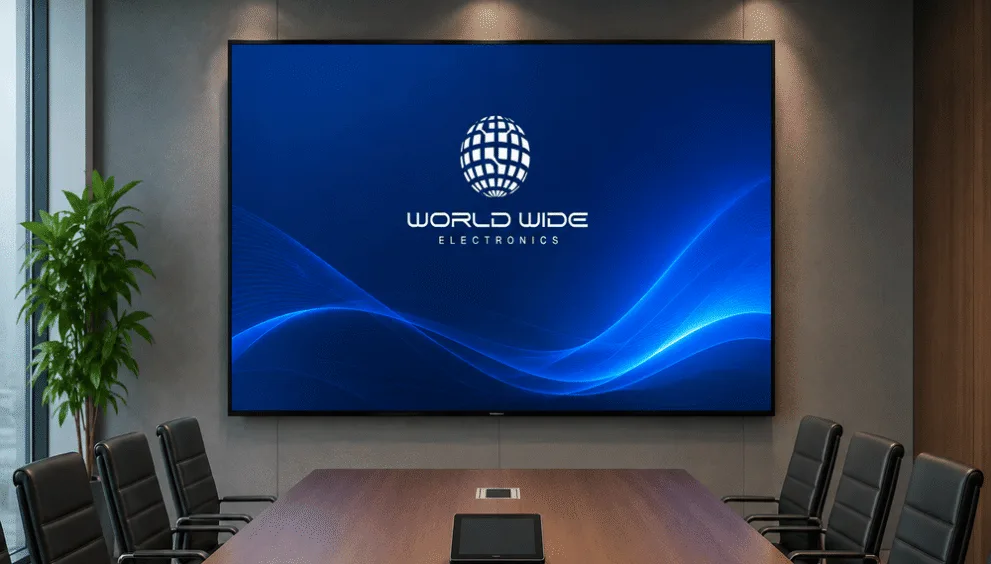
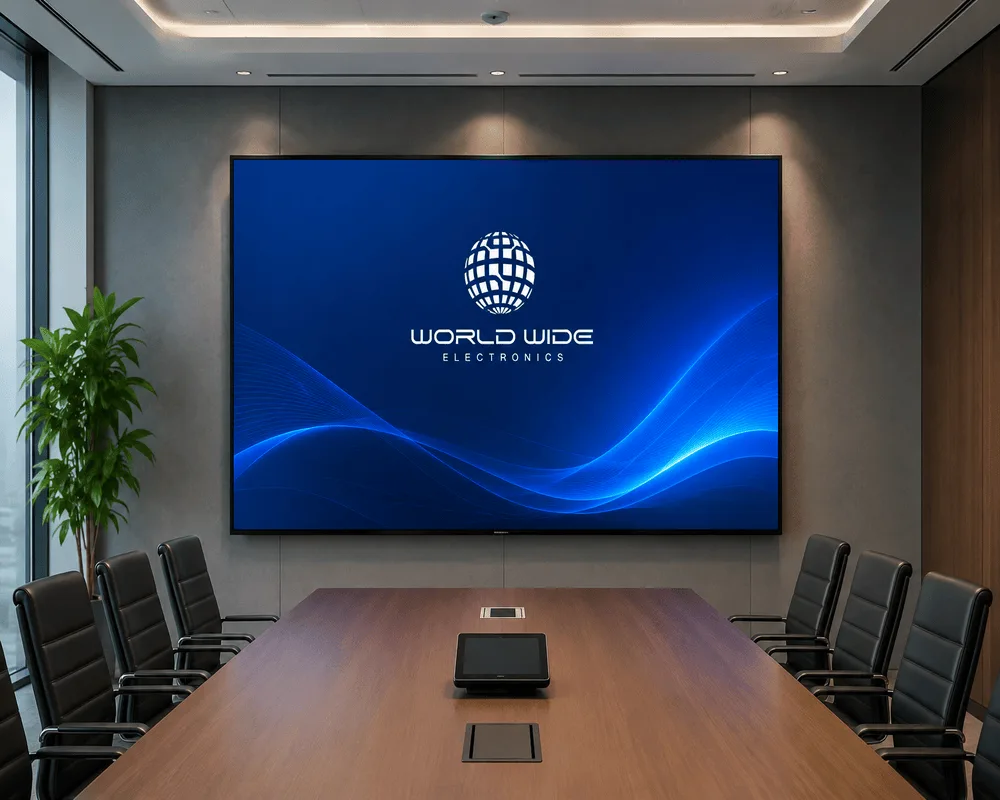
In the modern digital landscape, visual communication has become the backbone of effective branding and information sharing. Whether you walk through a bustling city center, enter a corporate lobby, or attend a high-profile stadium event, you are likely encountering the brilliance of an SMD screen. These displays have transformed how businesses connect with audiences, offering unparalleled clarity and versatility. Understanding this technology is essential for any professional or business owner looking to invest in modern digital signage.
Defining SMD LED Screen Technology
Surface Mounted Device technology represents a significant leap forward in display manufacturing. Unlike older display methods that utilized separate components with long leads, an SMD LED screen features diodes mounted directly onto the surface of a printed circuit board. This compact arrangement allows the red, green, and blue diodes to sit incredibly close to one another within a single package.
This proximity is the secret behind the superior color blending and high pixel density that defines these displays. Because the light source is unified within such a small space, the screen can achieve smooth, uniform images even when viewed from very short distances. It creates a seamless visual experience that feels less like a collection of dots and more like a fluid, high-definition canvas.
Why Businesses Prefer SMD LED Screens
The transition toward digital displays is driven by several practical benefits. When you compare these units to traditional signage or older lighting technologies, the advantages in both performance and long-term value are clear.
Exceptional Image Clarity
The primary strength of an SMD LED screen lies in its resolution. The ability to pack more pixels into a smaller area means that text, graphics, and video content appear sharp and legible. For indoor environments like retail showrooms or corporate conference halls, this level of detail is vital for maintaining a professional appearance.
Flexibility in Design
Because these screens are constructed from individual modules, they are not limited to standard flat rectangles. Suppliers can arrange these modules to create curved displays, corner-wrapping screens, or even cylindrical shapes. This modularity allows architects and designers to integrate technology directly into the building structure rather than merely hanging a screen on a wall.
Energy Efficiency
Modern businesses are increasingly conscious of their operational overhead and carbon footprint. SMD technology is highly energy-efficient, converting a higher percentage of electricity into light rather than waste heat. This efficiency translates into lower monthly utility bills, which makes the investment more sustainable over the life of the display.
Durability and Reliability
For outdoor installations, durability is non-negotiable. Modern SMD screens are engineered to handle harsh environmental conditions, including extreme temperatures, humidity, and dust. By using high-grade components that are sealed against the elements, these displays provide years of consistent performance with minimal downtime.
Finding the Right SMD Screen Supplier
Investing in a digital display is a significant decision. The quality of your final output depends heavily on the expertise and support of your chosen partner. A reliable SMD screen supplier will do more than just sell you a product. They should function as a consultant who helps you navigate the technical specifications to ensure the screen matches your specific environment.
When you begin searching for an SMD screen dealer, focus on those who provide comprehensive support packages. The best dealers offer more than just the hardware. They provide site assessments to determine the correct pixel pitch, brightness requirements, and installation safety standards.
Look for partners who offer:
-
Verifiable product documentation and component transparency.
-
Clearly defined maintenance and after-sales service agreements.
-
Evidence of past projects that reflect your specific needs.
-
In-house technical teams capable of handling both electrical and structural installation.
Essential Factors for Your Purchase
Before committing to a purchase, you should define the primary intent for the display. The requirements for an indoor information board are vastly different from those required for an outdoor advertising billboard.
Pixel pitch is one of the most critical technical specifications to understand. This measurement represents the distance between the center of one pixel and the center of the next. A smaller pixel pitch results in higher resolution and is typically reserved for indoor displays where people stand close to the screen. Conversely, a larger pixel pitch is often more cost-effective for outdoor screens viewed from a distance, as the individual pixels blend together naturally at longer ranges.
Brightness, measured in nits, is another variable that changes based on your location. An indoor lobby screen might only need a few hundred nits to be visible, while an outdoor display facing direct sunlight requires much higher output to remain readable. A professional dealer will help you calculate these needs to ensure you are not overspending on excessive brightness or under-specifying for your lighting conditions.
The Future of Digital Signage
As display technology continues to evolve, the integration of smart software and interactive capabilities is making these screens more effective than ever. Businesses are now using these displays to show real-time data, social media feeds, and dynamic content that changes based on the time of day or the audience present.
The move toward thinner cabinets and more lightweight components has also made installation easier and less intrusive. Architects are finding ways to blend these screens into glass windows and facade elements, turning buildings into living, breathing communication hubs.
Choosing to work with an experienced professional ensures that your project remains relevant as these trends continue to develop. By prioritizing quality hardware and a support-oriented relationship with your provider, you can build a visual infrastructure that serves your communication goals for years to come. Whether you are looking to enhance brand visibility or improve the way you share information with your community, the versatility of this technology provides a solid foundation for long-term success.
Ready to transform your visual presence with a cutting-edge SMD LED screen? [Contact Our Experts Today] for a free site assessment and a personalized quote tailored to your business needs.”
Frequently Asked Questions (FAQs)
1. What is the main difference between an SMD screen and a traditional LED display? The primary difference lies in the construction. SMD (Surface Mounted Device) technology mounts multiple diodes directly onto a single circuit board, allowing for tighter pixel density, wider viewing angles, and superior color consistency compared to older LED technologies that used larger, separate components.
2. How do I determine the right pixel pitch for my SMD LED screen? Pixel pitch is determined by your minimum viewing distance. As a general rule, the smaller the distance between your audience and the screen, the smaller the pixel pitch needs to be to maintain image clarity. Our team can help you calculate the ideal ratio based on your specific venue size and audience placement.
3. Can an SMD screen be installed in outdoor areas with direct sunlight? Yes, outdoor SMD screens are specifically engineered with high-brightness diodes and weather-resistant cabinets. They are designed to maintain high visibility and color accuracy even under intense sunlight, while also being protected against moisture, dust, and temperature fluctuations.
4. How long does a typical SMD LED screen last? With proper maintenance and high-quality components, an SMD screen can provide over 100,000 hours of performance. Factors such as operating environment, brightness settings, and regular servicing by a professional dealer play a significant role in extending the lifespan of the hardware.
5. Why should I choose a professional SMD screen supplier instead of buying direct? Partnering with a professional supplier ensures you receive more than just hardware. A reputable dealer provides critical support, including professional site surveys, structural installation compliance, specialized content management software, and long-term technical support, which are essential for protecting your investment and ensuring reliable operation.