










































Varicose Vein Ablation in Pakistan: A Modern, Minimally Invasive Solution for Painful Varicose Veins

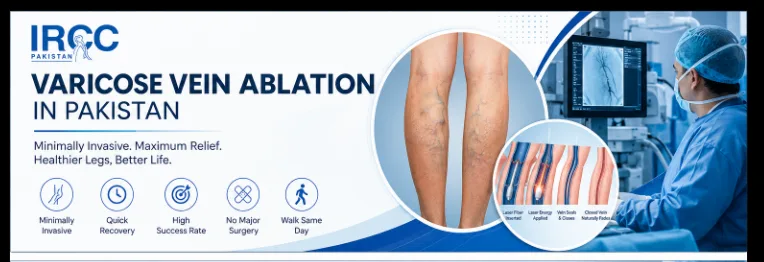
Varicose Vein Ablation in Pakistan
Varicose veins affect millions of people worldwide and are becoming increasingly common in Pakistan. While many people consider them a cosmetic concern, untreated varicose veins can cause persistent pain, leg swelling, heaviness, itching, skin discoloration, and, in advanced cases, venous ulcers.
Fortunately, modern medicine has transformed how this condition is treated. Today, Varicose Vein Ablation offers a minimally invasive alternative to traditional vein stripping surgery. Patients experience less pain, minimal scarring, quicker recovery, and excellent long-term results.
If you are looking for an effective solution for varicose veins in Pakistan, understanding how vein ablation works can help you make an informed treatment decision.
What Are Varicose Veins?
Varicose veins are enlarged, twisted veins that usually develop in the legs because the valves inside the veins become weak or damaged.
Normally, these valves keep blood flowing toward the heart. When they fail, blood begins to pool inside the veins, increasing pressure and causing the veins to enlarge.
Over time, this can lead to chronic venous insufficiency, which affects both comfort and overall leg health.
Common Symptoms
Many patients ignore early symptoms until the condition worsens.
Typical symptoms include:
- Visible bulging blue or purple veins
- Aching legs
- Leg heaviness
- Burning sensation
- Swelling around the ankles
- Night cramps
- Itching around veins
- Skin discoloration
- Venous ulcers in severe cases
If these symptoms continue for several weeks, evaluation by a vascular specialist is recommended.
Who Is More Likely to Develop Varicose Veins?
Several factors increase the risk.
These include:
- Family history
- Pregnancy
- Obesity
- Standing for long hours
- Aging
- Sedentary lifestyle
- Previous deep vein thrombosis
- Hormonal changes
Professionals such as teachers, surgeons, factory workers, retail employees, and healthcare staff often spend long hours standing, making them more susceptible.
What Is Varicose Vein Ablation?
Varicose Vein Ablation is a minimally invasive image-guided procedure that closes the diseased vein from the inside.
Instead of removing the vein through surgery, a tiny catheter is inserted into the affected vein using ultrasound guidance.
Heat generated by either laser energy or radiofrequency energy seals the vein shut.
Once closed, blood automatically reroutes through healthy veins, improving circulation while relieving symptoms.
The treated vein is gradually absorbed by the body over time.
Types of Vein Ablation
Endovenous Laser Ablation (EVLA)
A laser fiber delivers controlled heat inside the vein, causing it to collapse and seal permanently.
Advantages
- High success rate
- Small incision
- Quick recovery
- Minimal discomfort
Radiofrequency Ablation (RFA)
Instead of laser energy, radiofrequency waves generate heat to close the vein.
Many patients report even less discomfort after RFA compared with laser treatment.
Both treatments provide excellent long-term outcomes.
Why Modern Specialists Prefer Ablation Over Traditional Surgery
Older vein stripping surgery required:
- General anesthesia
- Larger incisions
- Hospital admission
- Longer recovery
- More bruising
Modern vein ablation offers:
- Local anesthesia
- Outpatient treatment
- Tiny puncture
- Minimal scarring
- Walking immediately after treatment
- Faster return to work
How the Procedure Is Performed
Treatment usually follows these steps:
Step 1: Ultrasound Examination
The specialist maps the diseased veins using Duplex Ultrasound.
Step 2: Local Anesthesia
Only the treatment area is numbed.
Step 3: Catheter Placement
A thin catheter is inserted into the abnormal vein.
Step 4: Energy Delivery
Laser or radiofrequency energy seals the vein.
Step 5: Compression Stocking
Patients wear compression stockings for several days after treatment.
Most procedures take around 30 to 60 minutes.
Recovery After Vein Ablation
Recovery is usually straightforward.
Patients are encouraged to walk immediately after the procedure.
Most individuals return to:
- Office work within 24–48 hours
- Daily activities within a few days
- Exercise after medical clearance
Following post-procedure instructions helps achieve the best outcome.
Benefits of Varicose Vein Ablation
Compared with traditional surgery, vein ablation provides several advantages.
Less Pain
The procedure requires only local anesthesia.
Faster Recovery
Most patients resume normal activities quickly.
Minimal Scarring
Only a tiny puncture is needed.
Lower Risk of Infection
Smaller wounds reduce infection risk.
Excellent Cosmetic Results
Bulging veins gradually disappear over time.
High Success Rates
Published studies consistently report long-term vein closure rates exceeding 90% when performed in appropriately selected patients.
Is Varicose Vein Ablation Safe?
Yes.
When performed by experienced specialists using ultrasound guidance, vein ablation is considered a safe and well-established treatment.
Like any medical procedure, potential risks include:
- Temporary bruising
- Mild soreness
- Skin numbness
- Rare infection
- Rare blood clot
Careful patient evaluation helps minimize these risks.
Who Is a Good Candidate?
You may benefit from vein ablation if you have:
- Symptomatic varicose veins
- Chronic venous insufficiency
- Leg swelling
- Persistent pain
- Venous reflux confirmed on ultrasound
- Skin changes caused by vein disease
A vascular assessment is necessary to determine the most appropriate treatment.
Why Early Treatment Matters
Ignoring varicose veins can lead to progressive vein disease.
Possible complications include:
- Chronic swelling
- Skin thickening
- Bleeding veins
- Venous eczema
- Painful ulcers
- Blood clots
Early treatment often prevents these complications and improves quality of life.
Varicose Vein Treatment in Pakistan
Advanced vein treatments are now available in Pakistan through specialized interventional radiology and vascular centers.
Patients in Lahore, Karachi, and Islamabad increasingly choose minimally invasive procedures because they reduce hospital stays and allow a faster return to normal life.
Choosing an experienced specialist with access to ultrasound-guided techniques is essential for achieving optimal outcomes.
Frequently Asked Questions
Is laser treatment better than vein surgery?
For many patients, minimally invasive laser or radiofrequency ablation provides faster recovery, less discomfort, and fewer complications than traditional vein stripping surgery.
Is Varicose Vein Ablation painful?
Most patients experience only mild discomfort because the procedure is performed under local anesthesia.
How long does recovery take?
Most people return to normal daily activities within one to three days.
Can varicose veins come back?
The treated vein usually remains closed permanently. However, new varicose veins can develop over time if other veins become affected.
Will I need hospital admission?
No. Most procedures are performed on an outpatient basis.
Is walking recommended after treatment?
Yes. Walking improves circulation and supports recovery.
Who should avoid vein ablation?
Patients with certain medical conditions, active infections, or specific vascular problems may require alternative treatment. A specialist evaluation is necessary.
Is the procedure covered by insurance?
Coverage depends on your insurance provider and whether treatment is considered medically necessary.
How long does the procedure take?
Most treatments take approximately 30–60 minutes.
Which specialist performs vein ablation?
Interventional Radiologists and vascular specialists trained in endovenous procedures commonly perform this treatment.
Conclusion
Varicose veins are more than a cosmetic concern—they can significantly affect comfort, mobility, and long-term vascular health. Modern Varicose Vein Ablation offers a safe, minimally invasive solution with high success rates, minimal downtime, and lasting symptom relief.
If you experience persistent leg pain, swelling, or visible enlarged veins, seeking an early evaluation can help prevent complications and improve your quality of life.
Call to Action
Looking for expert Varicose Vein Ablation in Pakistan?
IRCC Pakistan provides image-guided, minimally invasive treatments performed by experienced Interventional Radiology specialists. Schedule a consultation to determine whether vein ablation is the right treatment option for your condition.